During an average week of dialysis, a patient can indirectly be exposed to 300–600 litres of water, providing multiple opportunities for potential patient exposure to waterborne pathogens. Renal healthcare facilities generally have large complex water systems that when poorly maintained, can introduce an additional risk of infusing these waterborne pathogens.
Adverse patient outcomes, including outbreaks associated with water exposure in dialysis settings, have resulted from patient exposure to water via a variety of pathways, including improper formulation of dialysate with water containing high levels of chemical or biological contaminants and reprocessing of dialyzers with contaminated water. For the health and safety of patients, it is vital to ensure the water used to perform dialysis is safe and clean.
The avoidance of complications arising from water contaminants, be it chemical or microbiologic, requires constant and vigorous attention to water quality to ensure compliance. When the processes to provide sufficient product water of appropriate quality for the facility are adequately stabilised, the facility will need to continually look at ways to improve the level of wasted water often experienced through RO treatment.
Enaqua was asked to comment on the importance of good quality RO plants and the fundamentals behind their design, read the attached article for more interesting information
Follow this link to read the article at Medpharm.co.za
Click here to have a look at our reverse osmosis offerings.
]]>Many factors affect the health and performance of poultry broilers, but few, if any, are more important than water. A clean, safe water supply is a necessity if each brood is to perform at its best. Often, however, the water supply is the last thing you think about if you are having problems with growth rate, feed conversion and bird health.
Find out more about poultry drinking water from our article published in the Africa Farming Jan/Feb 21 issue
https://www.africanfarming.net/current-issue
Enaqua custom builds chlorine dioxide generation and dosing plants for the poultry industry.
]]>https://lnkd.in/d_cvgvW
]]>“In general, secondary wastewater treatment is credited with removing 1-log (90 percent) of viruses, though broad studies suggest the level of virus removal is highly variable, ranging from insignificant to greater than 2-log removal (99 percent). Because of this variability, the primary process for the inactivation of viruses in wastewater treatment is chemical disinfection and/or by ultraviolet light (UV).”
Read the rest of the article by Nicole McLellan, David Pernitsky, and Arthur Umble
]]>
TO understand more about chlorine dioxide go to our chemical disinfection page.
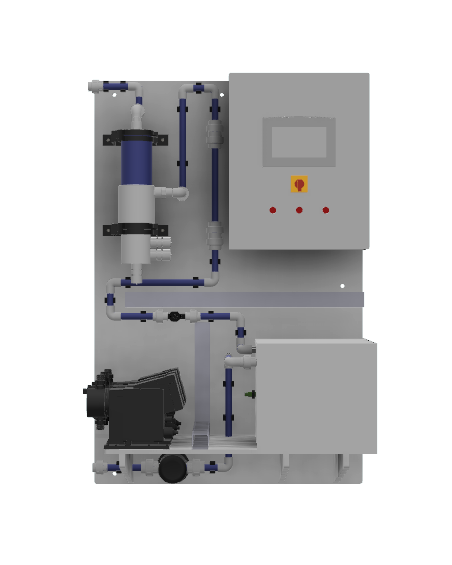
UV treatment to product water protects the brand by protecting taste and shelf life of products
https://blog.aquafineuv.com/uv-water-treatment-in-the-beverage-industry/
]]>